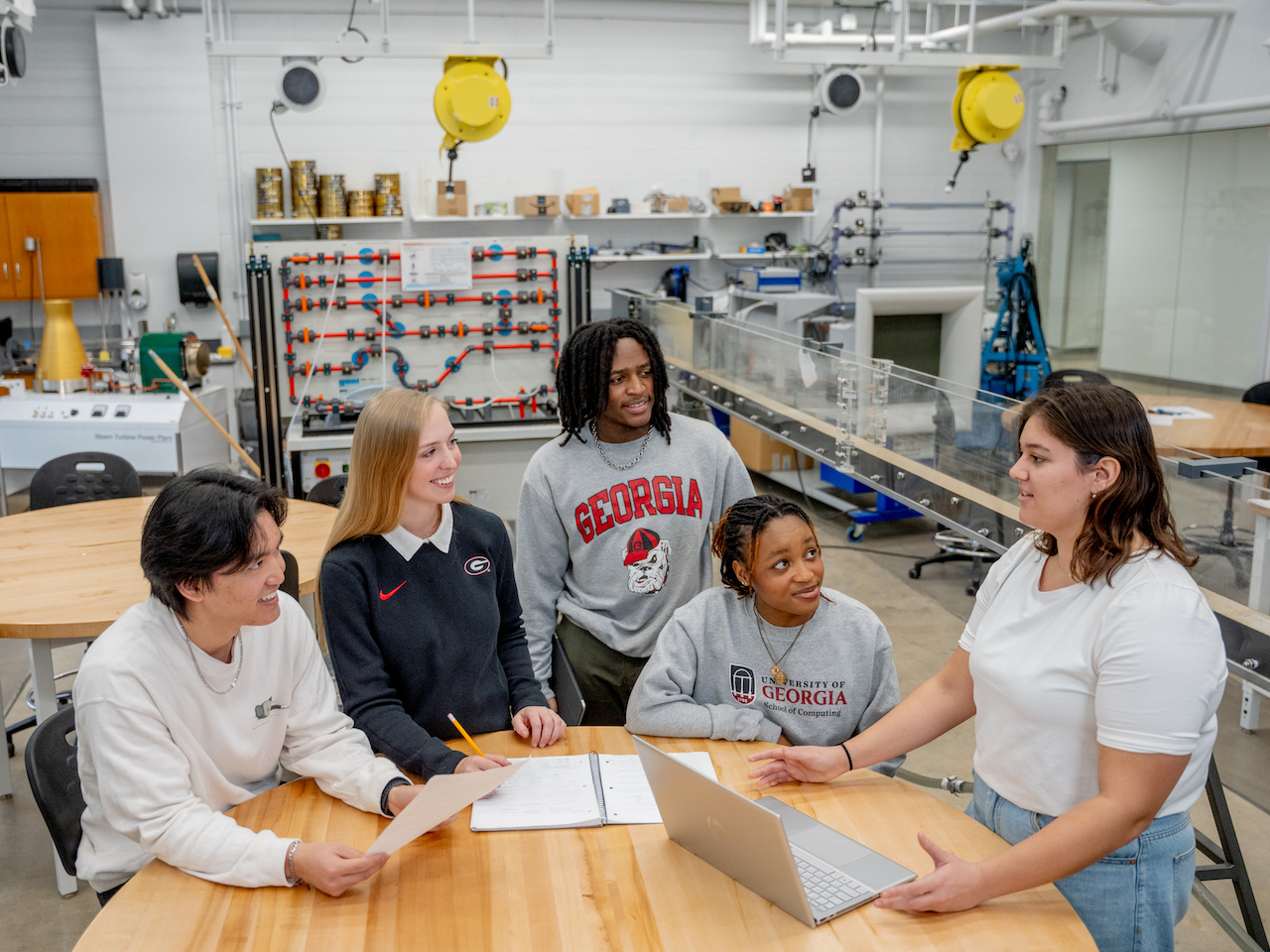


 Combine the principles of biology, chemistry and engineering to develop high-value products from biochemical processes for a variety of applications including biodegradable polymers, clean fuels, nanomaterials and biopharmaceuticals.
What you’ll study
- Microbiology
- Kinetics & Reactor Design
- Equilibrium Thermodynamics
- Animal Cell Biomanufacturing
- Metabolic Engineering and Synthetic Biology
Careers
- Bioprocess engineer
- Project engineer
- Pharmaceutical engineer
- Research and development engineer
- Food processing engineer
- Quality control engineer
Biochemical Engineering students explore chemical changes in living things and learn how to harness the power of these changes to create new products and medicines. Biochemical engineers develop new ways to use cells, enzymes, antibodies, and other biochemical agents in industry, medicine, environmental services, and other fields. If you want to tackle global challenges related to the development of new medicines, stem cell therapies or sustainable technologies, Biochemical Engineering at UGA is for you.
Details about the specific degree and college requirements for the BS – Biochemical Engineering degree are found in the UGA Bulletin.
Program mission
Biochemical Engineering utilizes the governing principles of living systems, properties of biological materials and engineering methodology in the processing of biological materials and in processes using biological agents such as cells, enzymes and antibodies.
Program educational objectives
The following Program Educational Objectives describe what graduates from the biochemical engineering program are expected to attain within 3-5 years after graduation:
- Apply a high level of technical expertise, critical thinking, and collaborative and communication skills to recognize, define, and develop innovative solutions for biochemical processes that require integration of biochemical, chemical, physical, economic, and environmental constraints.
- Establish themselves as ethically, socially and culturally aware professionals and leaders who contribute effectively within their organizations and communities.
- Engage in lifelong learning and professional development, including graduate study, continuing education, or other pathways that support sustained career growth.